Partner and President

Product Line | Wolters Kluwer Legal & Regulatory U.S. |
|---|---|
Product SKU | 10083407-7777 |
ISBN-13 | 9781543823714 |
Availability | Ships in 3-5 Business Days |
Publish Frequency | Semi-annually |
Last Updated | 2026-07-08 |
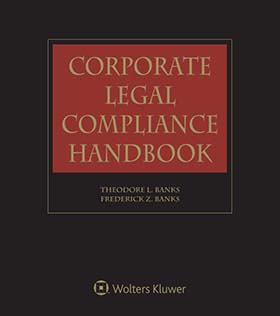
Corporate Legal Compliance Handbook, Third Edition, provides the knowledge necessary to implement or enhance a compliance program in a specific company, or in a client's company. The book focuses not only on doing what is legal or what is right—the two are both important but not always the same—but also on how to make a compliance program actually work.
The book is organized in a sequence that follows how to approach a compliance program. It gives the compliance officer, consultant, or attorney a good grounding in the basics of compliance law. This includes such things as the rules about corporate and individual liability, an understanding of the basics of the key laws that impact companies, and the workings of the U.S. Sentencing Guidelines. Successful programs also require an understanding of educational techniques, good communication skills, and the use of computer tools. The effective compliance program also takes into account how to deliver messages using a variety of media to reach employees in different locations, of different ages or education, who speak different languages.
Note: Online subscriptions are for three-month periods.
About the Editors | |
About the Contributors | |
Introduction to the Third Edition | |
Introduction to the Second Edition | |
Introduction to the First Edition | |
Compliance Knowledge Assessment | |
Quick Compliance Checklist | |
PART I THE WORLD OF CORPORATE COMPLIANCE | |
Chapter 1 GENERAL PRINCIPLES BEHIND A COMPLIANCE PROGRAM: THE CASE FOR COMPLIANCE - Theodore L. Banks and Christian E. Liipfert | |
§ 1.01 | What is Corporate Compliance? |
§ 1.02 | Why Should Corporations Comply with the Law? |
§ 1.03 | Why Should Individuals Comply with the Law? |
§ 1.04 | Corporate Compliance Programs |
§ 1.05 | Conclusion |
Chapter 2 AN EFFECTIVE COMPLIANCE PROGRAM UNDER THE SENTENCING GUIDELINES AND THE DEPARTMENT OF JUSTICE COMPLIANCE GUIDANCE - Jeffery M. Cross | |
§ 2.01 | Introduction to the Sentencing Guidelines |
§ 2.02 | Historical Background of the Sentencing Guidelines |
§ 2.03 | The Organizational Guidelines |
§ 2.04 | Introduction to Compliance Guidance from the Department of Justice |
§ 2.05 | Background to the Compliance Guidance Issued by the Criminal and Antitrust Divisions |
§ 2.06 | An Effective Compliance Program Under Guidance from the Criminal and Antitrust Divisions |
§ 2.07 | Indirect Benefits of an Effective Compliance Program |
§ 2.08 | An International Standard? |
§ 2.09 | Compliance Program Checklist |
Chapter 3 THE SARBANES-OXLEY AND DODD-FRANK ACTS: RULES FOR CORPORATE GOVERNANCE AND COMPLIANCE- Jonathan T. Marks | |
§ 3.01 | Introduction and Overview |
§ 3.02 | Regulatory Background and Applicability |
§ 3.03 | The PCAOB |
§ 3.04 | The Gatekeepers: Auditors and Attorneys |
§ 3.05 | Independence, Duties and Power of the Audit Committee |
§ 3.06 | Certification Requirements—Sections 302, 906, and 404 |
§ 3.07 | Management Assessment of Internal Controls Under Section 404 |
§ 3.08 | Measures for Enhanced Financial Disclosure |
§ 3.09 | Corporate Responsibility Requirements |
§ 3.10 | Remedies and Enforcement |
§ 3.11 | Changes to the NYSE and NASDAQ Rules |
§ 3.12 | Implementation of and Reactions to SOX |
§ 3.13 | The Financial Crisis of 2008 and the Dodd-Frank Act |
§ 3.14 | Recent Developments |
Chapter 4 CORPORATE ANTITRUST LIABILITY AND COMPLIANCE PROGRAMS - Jeffery M. Cross | |
§ 4.01 | Background |
§ 4.02 | The Relevance of Compliance Programs to Corporate Criminal Antitrust Liability |
§ 4.03 | The Relevance of Compliance Programs to Corporate Civil Liability |
§ 4.04 | The Potential Liability of Directors—The Caremark Decision |
Chapter 5 WHO IS THE COMPLIANCE OFFICER? | |
§ 5.01 | Defining the Role of the Chief Compliance Officer |
§ 5.02 | Qualifications of the Chief Compliance Officer |
§ 5.03 | Conflicts in the Role of Chief Compliance Officer; Compliance Officer Liability |
§ 5.04 | Filling the Chief Compliance Officer Role |
§ 5.05 | Ethical and Fiduciary Obligations of the Compliance Officer |
§ 5.06 | The Compliance Officer Under U.S. Securities Regulation Laws |
Chapter 6 ETHICS AND THE CORPORATION | |
§ 6.01 | Introduction |
§ 6.02 | Major Components of Effective Compliance Programs |
§ 6.03 | Implementing Compliance and Ethics Programs |
PART II IDENTIFYING YOUR COMPLIANCE RISKS | |
Chapter 7 ASSESSING YOUR RISKS | |
§ 7.01 | The Compliance Risk Assessment and Analysis |
§ 7.02 | Looking at Your Company's Activities |
§ 7.03 | Looking at External Developments |
§ 7.04 | Assembling the Assessment |
§ 7.05 | Reputational Risk |
Chapter 8 HEALTH CARE COMPLIANCE PLANS - David A. Koenigsberg | |
§ 8.01 | Introduction |
§ 8.02 | Medicare/Medicaid |
§ 8.03 | Enforcement |
§ 8.04 | Federal Sentencing Guidelines |
§ 8.05 | Health Care Compliance Programs |
§ 8.06 | OIG Guidance Suggestions |
§ 8.07 | Employee Education About False Claims Laws Required by the Deficit Reduction Act of 2005 |
§ 8.08 | Publicly Available Compliance Documents |
Chapter 9 E-COMPLIANCE - Vincent Polley and Jonathan Rubens | |
§ 9.01 | What Is E-Compliance? |
§ 9.02 | Advertising |
§ 9.03 | B2B and Antitrust |
§ 9.04 | Copyright |
§ 9.05 | Social Media, Defamation, and Other Electronic Misbehavior |
§ 9.06 | Domain Names |
§ 9.07 | E-Mail and Electronic Documents |
§ 9.08 | Electronic Transactions |
§ 9.09 | Linking and Crawling |
§ 9.10 | Privacy and Cybersecurity |
§ 9.11 | SPAM and Spyware |
§ 9.12 | Securities Law |
§ 9.13 | Tax Law |
§ 9.14 | Information Security and Identity Theft |
§ 9.15 | Security Breach Notification Laws |
§ 9.16 | Net Neutrality |
§ 9.17 | FTC Proposed Online Behavioral Advertising Privacy Principles |
Chapter 10 COMPLIANCE PROGRAM FOR MANUFACTURING PLANTS - Donna Bunch Coaxum | |||||
§ 10.01 | Taking Preventive Measures | ||||
§ 10.02 | The Type of Program to Establish | ||||
§ 10.03 | Sample Manufacturing Plant Program and Considerations | ||||
§ 10.04 | Product Safety and Facility Security After 9/11 | ||||
§ 10.05 | Reaching the Blue-Collar Employee | ||||
§ 10.06 | Materials Used in Manufacturing | ||||
PART III ADDRESSING YOUR COMPLIANCE RISKS | |||||
Chapter 11 LEGAL AND PRACTICAL ASPECTS OF RECORDS AND INFORMATION MANAGEMENT - William A. Brandt, Jr. | |||||
§ 11.01 | Introduction | ||||
§ 11.02 | Understanding Information Processes | ||||
§ 11.03 | The Risks of Uncontrolled Information | ||||
§ 11.04 | Obstacles to the Creation of Records and Information Management Programs | ||||
§ 11.05 | Developing a Sound Records and Information Management Program | ||||
§ 11.06 | Conclusion | ||||
Chapter 12 USING HOTLINES TO REPORT WRONGDOING—AND IMPROVE THE ORGANIZATION - Alice Peterson | |||||
§ 12.01 | Introduction | ||||
§ 12.02 | Purposes Served by Ethics Reporting Mechanisms | ||||
§ 12.03 | The Value of a Disciplined Process and System for Handling Hotline Issues | ||||
§ 12.04 | Confidential Employee Communication Options | ||||
§ 12.05 | Determining How the Hotline Will Work and Who Will Do What | ||||
§ 12.06 | The Board of Directors' Role in Overseeing the Hotline, Ethical Culture | ||||
§ 12.07 | Privacy and Data Protection/International Implementation | ||||
§ 12.08 | Sample Ethics Hotline Policy | ||||
Chapter 13 THE CORPORATE OMBUDS—AN INFORMAL AND CONFIDENTIAL ALTERNATIVE FOR RESOLVING DISPUTES AND ADDRESSING CONFLICT IN THE WORKPLACE - Melissa Connell | |||||
§ 13.01 | History and Distinctions of Ombudsmen | ||||
§ 13.02 | Independence | ||||
§ 13.03 | Neutrality and Impartiality | ||||
§ 13.04 | Confidentiality | ||||
§ 13.05 | Informality and Other Standards | ||||
§ 13.06 | The Ombuds Privilege and Other Legal Ramifications | ||||
§ 13.07 | Functions of the Ombudsman | ||||
§ 13.08 | Benefits of Establishing the Ombuds Office | ||||
§ 13.09 | Setting up an OMBUDS Office | ||||
§ 13.10 | Certification for Certified Organizational Ombudsman Practitioners | ||||
Appendix 13-1: References | |||||
Chapter 14 INTERNATIONAL ACTIVITIES - John J. Fedele, Crystal R. Jezierski, Sylwia A. Lis, and Alexandre Lamy | |||||
§ 14.01 | Introduction | ||||
§ 14.02 | Antiboycott | ||||
§ 14.03 | Antitrust | ||||
§ 14.04 | Bribery and Corrupt Practices | ||||
§ 14.05 | Child and Forced Labor | ||||
§ 14.06 | Data Security and Privacy | ||||
§ 14.07 | Export Controls, Trade Sanctions, and Foreign Investment | ||||
Chapter 15 CORPORATE CODES, POLICIES AND COMPLIANCE PROGRAMS | |||||
§ 15.01 | Codes of Conduct and Ethics | ||||
§ 15.02 | What Should Be in Your Code? | ||||
§ 15.03 | Going Beyond the Code: The Compliance Program | ||||
§ 15.04 | Codes for Third Parties | ||||
PART IV COMMUNICATIONS AND OTHER PROGRAM COMPONENTS | |||||
Chapter 16 TOOLS FOR IMPLEMENTATION | |||||
§ 16.01 | Introduction | ||||
§ 16.02 | The Structure of the Compliance Program | ||||
§ 16.03 | The Carrot and the Stick (Incentives and Discipline) | ||||
§ 16.04 | Recordkeeping | ||||
§ 16.05 | Demonstrating an Effective Compliance Program | ||||
§ 16.06 | The Reporting Path | ||||
§ 16.07 | The Role of Other Departments | ||||
§ 16.08 | Getting Help | ||||
Chapter 17 COMMUNICATIONS AND TRAINING | |||||
§ 17.01 | What Is Effective Communication? | ||||
§ 17.02 | Effective Presentations | ||||
§ 17.03 | Speaking Skills | ||||
§ 17.04 | Written Support Materials | ||||
§ 17.05 | Audiovisual Support | ||||
§ 17.06 | Media Variety | ||||
Chapter 18 (on CD-ROM only) EIGHT STEPS TO SUCCESSFULLY IMPLEMENTING AN ENTERPRISE-WIDE ETHICS AND COMPLIANCE eLEARNING INITIATIVE - | |||||
§ 18.01 | Introduction | ||||
§ 18.02 | Step One: Determine Training Goals and Estimated Budget | ||||
§ 18.03 | Step Two: Assemble, Staff, and Meet with the Steering Committee | ||||
§ 18.04 | Step Three: Create a Code of Conduct Training Plan | ||||
§ 18.05 | Step Four: Determine a Three- to Five-Year Ethics and Compliance Training Plan | ||||
§ 18.06 | Step Five: Determine Technology and Deployment Strategy and Preferences | ||||
§ 18.07 | Step Six: Receive Proposals from Vendors; Analyze, Narrow, and Negotiate Contract | ||||
§ 18.08 | Step Seven: Customize Programs, Conduct Systems Integration, and Design Communications Plan | ||||
§ 18.09 | Step Eight: Launch Training Initiative and Drive Completion Rates | ||||
Chapter 19 (on CD-ROM only) USING MULTIMEDIA SIMULATIONS FOR COMPLIANCE TRAINING - Kemi Jona, Ph.D. | |||||
§ 19.01 | Introduction | ||||
§ 19.02 | Why Compliance Training Can Be Ineffective | ||||
§ 19.03 | Creating Effective Compliance Training | ||||
§ 19.04 | Goal-Based Scenarios: A Framework for Developing Effective Computer-Based Learning Environments | ||||
§ 19.05 | Case Studies of Compliance-Related Learning Systems | ||||
§ 19.06 | Principles to Improve the Effectiveness of Compliance Training in Your Organization | ||||
Chapter 20 USING TECHNOLOGY FOR COMPLIANCE TRAINING AND MONITORING - Christian E. Liipfert | |||||
§ 20.01 | Introduction | ||||
§ 20.02 | Training | ||||
§ 20.03 | Compliance Monitoring Technology | ||||
Chapter 21 WRITING FOR UNDERSTANDING - Sarena Green | |||||
§ 21.01 | The State of Written Compliance Materials | ||||
§ 21.02 | Ten Writing Tips | ||||
§ 21.03 | Before and After Example | ||||
Chapter 22 USE OF THE “DRAMATIZATION” IN COMPLIANCE TRAINING - Tim Mooney | |||||
§ 22.01 | Introduction | ||||
§ 22.02 | Other Ineffectual Compliance Techniques | ||||
§ 22.03 | What the Theater Brings to Business | ||||
§ 22.04 | Working with a Writer | ||||
§ 22.05 | Video Issues | ||||
§ 22.06 | From Idea to Script: Money Laundering | ||||
PART V EVALUATION | |||||
Chapter 23 MEASURING YOUR PROGRAM | |||||
§ 23.01 | Introduction | ||||
§ 23.02 | Thinking About the Purpose of Compliance Programs | ||||
§ 23.03 | Risk Analysis | ||||
§ 23.04 | Benchmarking | ||||
§ 23.05 | Objective Evaluation | ||||
§ 23.06 | Subjective Evaluation | ||||
§ 23.07 | Auditing and Compliance | ||||
§ 23.08 | Investigations of Wrongdoing | ||||
§ 23.09 | The Self-Critical Evaluation Privilege | ||||
Chapter 24 MAKING THE BEST OF A BAD SITUATION: INVESTIGATING AND DISCLOSING WRONGDOING - Scott R. Lassar | |||||
§ 24.01 | The Possibility of Wrongdoing | ||||
§ 24.02 | Conducting an Internal Investigation | ||||
§ 24.03 | Disclosing Wrongdoing | ||||
§ 24.04 | Responding to a Government Investigation | ||||
§ 24.05 | Cooperating with the Government | ||||
§ 24.06 | Taking the Punishment | ||||
Chapter 25 COMPLIANCE WITH GOVERNMENT AGREEMENTS AND DECREES | |||||
§ 25.01 | Compliance with Government Agreements & Decrees | ||||
§ 25.02 | Compliance with the Sentencing Guidelines | ||||
PART VI KEY LEGAL AREAS | |||||
Chapter 26 ABANDONED PROPERTY - Scott J. Heyman | |||||
§ 26.01 | State Laws | ||||
§ 26.02 | Failure to Comply with Legal Requirements | ||||
§ 26.03 | Establishing a Compliance Procedure | ||||
Chapter 27 ADVERTISING | |||||
§ 27.01 | Overview | ||||
§ 27.02 | FTC Rules | ||||
Chapter 28 ANTITRUST | |||||
§ 28.01 | Background | ||||
§ 28.02 | Pricing | ||||
§ 28.03 | Trade Associations and Joint Activity | ||||
§ 28.04 | Bigness and Badness | ||||
§ 28.05 | The Freedom to Sell | ||||
§ 28.06 | Lawsuits and Privilege | ||||
§ 28.07 | Imposed Antitrust Compliance Programs | ||||
§ 28.08 | Director Interlocks | ||||
Chapter 29 ATTORNEY-CLIENT PRIVILEGE AND ATTORNEY COMPLIANCE PROGRAMS - Mary Robinson | |||||
§ 29.01 | Background | ||||
§ 29.02 | Employee Responsibilities | ||||
§ 29.03 | International Situations | ||||
§ 29.04 | |||||
Highlights of some of the new material discussed in the Third Edition include:

Call sales at 1-800-638-8437
.png)
These cookies are necessary for the website to function. They are usually set in response to actions made by you which amount to a request for services, such as setting your privacy preferences, logging in or filling in forms. You can set your browser to block or alert you about these cookies, this may have an effect on the proper functioning of (parts of) the site.
These cookies enable the website to provide enhanced functionality, user experience and personalization, and may be set by us or by third party providers whose services we have added to our pages. If you do not allow these cookies, then some or all of these services may not function properly.
These cookies support analytic services that measure and improve the performance of our site. They help us know which pages are the most and least popular and see how visitors move around the site.
These cookies may collect insights to issue personalized content and advertising on our own and other websites, and may be set through our site by third party providers. If you do not allow these cookies, you may still see basic advertising on your browser that is generic and not based on your interests.