New York Evidence Handbook, Third Edition
By Daniel J. Capra, Michael M. Martin
FORMAT Looseleaf
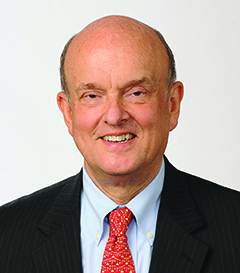
Michael M. Martin, Fordham University Distinguished Professor of Law, joined the Fordham Law faculty in 1972. His principal subjects have included Evidence, Torts, and Civil Procedure. He served as Dean of the Law School from 2010 to 2015 and previously as Associate Dean (1995-2001). For 13 years he served as faculty moderator for the Fordham Law Review, and in 2005 he was named Teacher of the Year.
Professor Martin is co-author (with Stephen Saltzburg and Daniel Capra) of the 5-volume Federal Rules of Evidence Manual and (with Daniel Capra) of the New York Evidence Handbook. He has also written other books, law review articles, and (for 26 years) a column on Evidence for the New York Law Journal.
Before joining Fordham, Professor Martin taught at the University of Washington and University of Chicago law schools. He was also a visiting professor at the University of Virginia law school. He has lectured on Evidence at CLE and judicial training courses for ALI-ABA, NYSBA, and NYS Office of Court Administration.
Professor Martin received his J.D. with High Distinction from the University of Iowa, where he had received his B.A. At law school he was Editor-in-Chief of the Iowa Law Review and was elected to the Order of the Coif. Following law school, he earned a B.Litt. in Law at Oxford University as a Rhodes Scholar.

 NEED HELP FINDING THE RIGHT SOLUTION?
HAVE A QUESTION?


